Building Financial Resilience in Small Island Economies
Small island economies operate under different rules. Global markets shift, and local businesses can feel it within weeks.
The Cayman Islands and wider Caribbean know this reality well. Economic vulnerability isn’t theoretical here. It’s built into the fundamental tapestry of the area.
But vulnerability doesn’t mean helplessness. Financial resilience can be strengthened, even in uncertain times. It requires clear planning, smart diversification, and the right financial partner who understands regional realities.
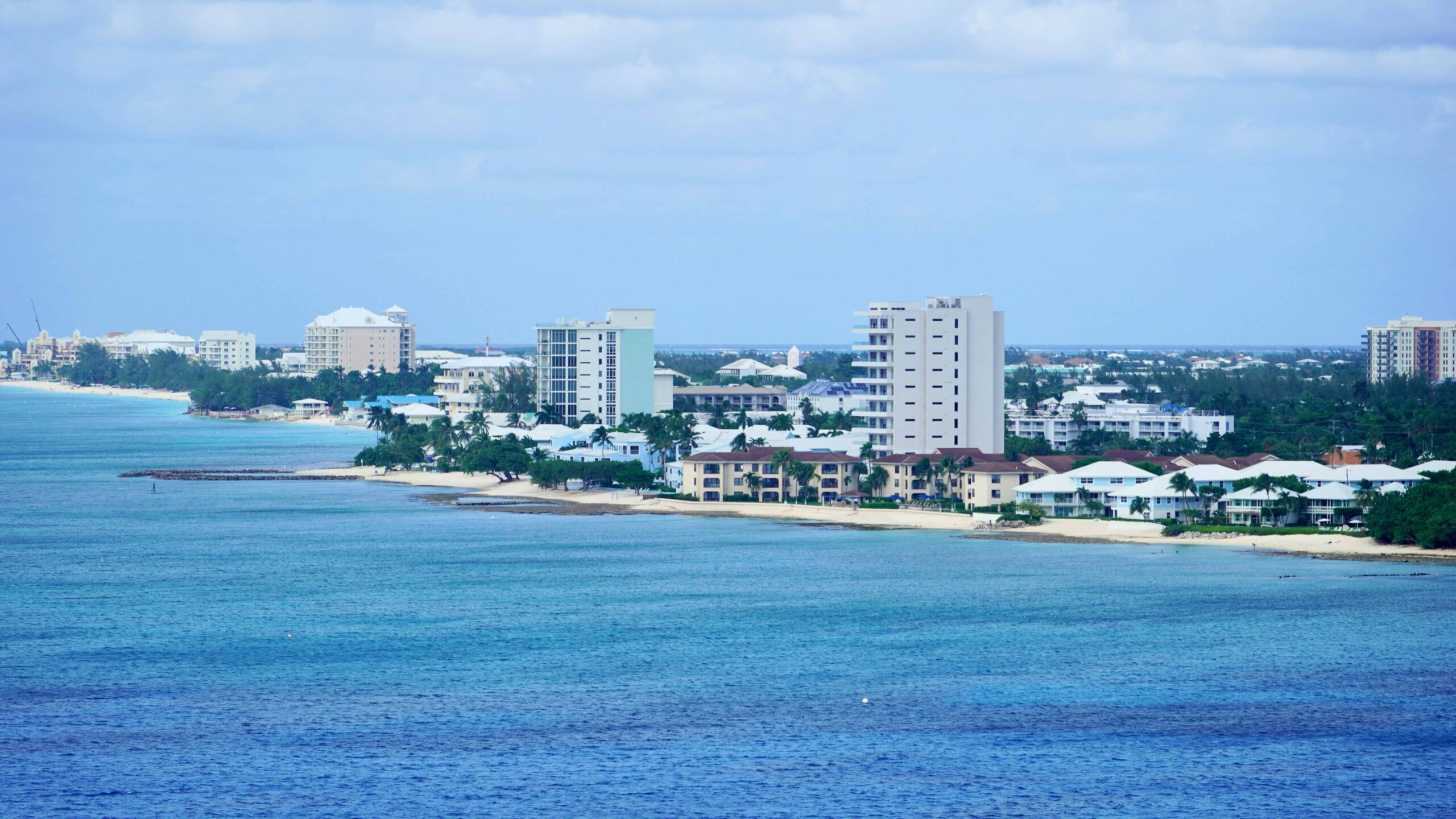
Why small island economies face unique financial challenges
Island economies are exposed in ways that larger, more diversified markets aren’t.
- Tourism dependence creates volatility. When global travel drops, local income usually follows. The pandemic proved that dramatically. Businesses that thrived one year struggled to survive the next.
- External shocks hit harder. Natural disasters, supply chain disruptions, and international policy changes don’t just affect headlines. They affect livelihoods, savings, and business continuity.
- Limited economic diversification means fewer safety nets. When one sector suffers, the ripple effects spread quickly across the entire economy.
- Currency exposure adds to the impact. Many Caribbean economies deal with multiple currencies, exchange rate fluctuations, and imported inflation that erodes purchasing power.
What financial resilience actually means
Financial resilience is about being able to absorb shocks and recover quickly when things go wrong. There are rarely perfect conditions.
For individuals, that means having emergency reserves, diversified income streams, and investments that can weather volatility. It means not being entirely dependent on one job, one currency, or one asset class.
For businesses, resilience means cash flow buffers, access to credit when needed, and strategic planning that accounts for seasonal fluctuations and external risks.
The goal isn’t to predict every crisis. It’s to build systems that can handle the unexpected without collapsing.

Strategic financial planning for long-term stability
Financial planning in the Cayman Islands requires a different approach to planning in New York or London. The risks are different. The opportunities are different. The strategies need to reflect that.
Start with a realistic emergency fund. Three to six months of expenses is the standard advice. In a small island economy, consider pushing that to six to twelve months. Recovery from economic shocks takes longer when your entire market is affected at once.
Diversify across asset classes and geographies. Don’t keep all your wealth in local property or a single business. Spread risk across international investments, different currencies, and multiple sectors.
Plan for currency fluctuations. If you earn in one currency but have expenses or investments in another, build that volatility into your financial model. Hedging strategies and multi-currency accounts can reduce exposure.
Invest in income-generating assets. Passive income streams create stability when primary income sources are disrupted. Dividend-paying investments, rental properties, or business interests that generate cash flow all contribute to resilience.
Review and adjust regularly. Financial planning isn’t a one-time exercise. Economic conditions change. Your circumstances change. Annual reviews ensure your strategy stays relevant.
The role of professional financial guidance
You can read articles and follow general advice. But generic strategies don’t account for the specific challenges of Caribbean markets.
Professional financial guidance tailored to regional needs makes the difference between a plan that sounds good and one that actually works.
A financial partner who understands small island economies can help you navigate local regulations, identify opportunities others miss, and structure solutions that account for the unique risks you face.

Staying informed in a changing environment
Building financial resilience requires more than a plan. Understanding how economic developments, market movements, and financial trends may affect your goals over time is equally important.
Staying informed can help support better decision-making during periods of uncertainty. Interest rate changes, inflation trends, exchange rate movements, geopolitical events, and shifts in global markets can all influence financial planning strategies.
Regularly reviewing trusted sources of financial information can provide valuable context. This may include economic updates from recognised international organisations, market commentary from investment professionals, and guidance from financial institutions that understand regional and global market conditions.
It’s also important to remember that not every headline requires immediate action. Markets naturally experience periods of volatility, and reacting too quickly to short-term developments can sometimes undermine long-term objectives. Having access to professional guidance can help investors separate temporary market noise from meaningful trends that may require adjustments to their strategy.
How PROVEN supports financial resilience
PROVEN understands the economic realities of the Cayman Islands and wider Caribbean because we operate here. We’re not applying templates designed for different markets. We’re building solutions for the challenges our clients actually face.
Our approach to financial planning in the Cayman Islands starts with understanding your specific situation, your goals, and the risks you’re exposed to. Then we build strategies that create stability and growth, even when external conditions are uncertain.
We provide expert guidance on everything from savings strategies to business financing. And we deliver the kind of responsive, dedicated support that matters when you need to make decisions quickly.
Financial resilience isn’t built overnight. But with the right planning and the right partner, it’s absolutely achievable.

Building your financial future with confidence
Economic uncertainty is part of life in small island economies. But uncertainty doesn’t have to mean instability.
Strategic financial planning gives you control. It creates buffers against shocks. It positions you to take advantage of opportunities when they arise. And it provides peace of mind that you’re prepared for whatever comes next.
The question isn’t whether the next challenge will come. It’s whether you’ll be ready when it does.
Ready to build financial resilience? Contact PROVEN today to discuss tailored financial planning solutions designed for the realities of Caribbean markets. Let’s create a strategy that protects what you’ve built and positions you for long-term growth.